Ever found yourself staring at a head of broccoli, unsure if it’s still good to eat? If so, you’re not alone. Knowing how to know if broccoli is bad is an essential skill in avoiding food waste and keeping your meals fresh and healthy.
Join us on a fascinating journey as we explore simple yet effective ways to determine the freshness of your broccoli. By the end, you’ll be a pro at spotting spoiled broccoli, ensuring that your veggies always contribute to a nutritious and delicious meal. Let’s get started!
Table of Contents
Assessing Appearance
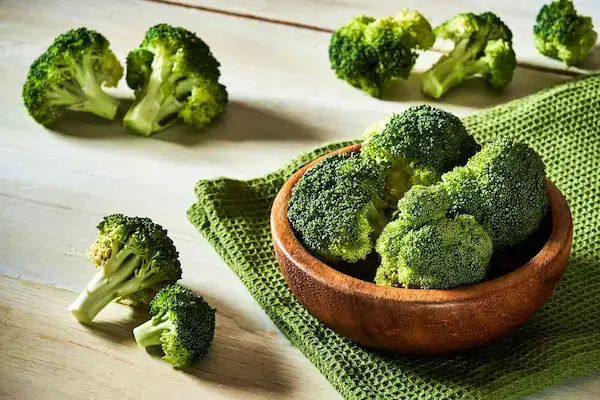
Assessing the appearance of broccoli is the first step in determining its freshness. This involves checking the color, examining the stem and texture, and spotting visible mold or decay.
Checking Color And Discoloration
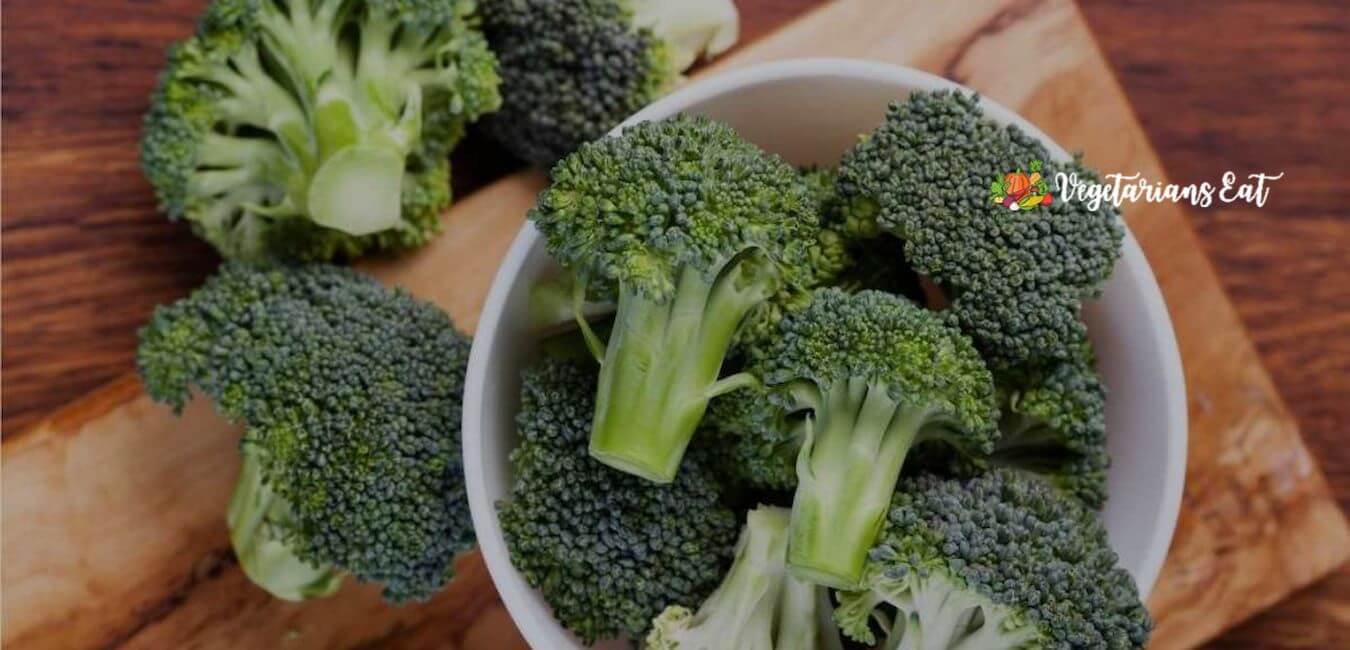
Fresh broccoli is characterized by a deep green color. The presence of yellowing or browning can be a sign that your broccoli is starting to spoil. Yet, it also helps us appreciate the importance of regular checks to ensure our vegetables remain fresh.
Examining Stem And Texture
A firm, crisp stem, and tightly closed florets are signs of fresh broccoli. It’s likely past its prime if the stem is limp or the florets are loose. But remember, every time we check the texture, we learn more about the lifespan of our veggies.
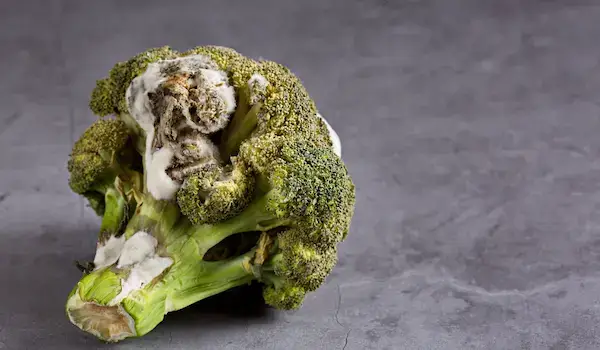
Spotting Visible Mold Or Decay
Visible mold or decay is a clear indication that the broccoli is bad. Spotting these signs early helps us to prevent consuming spoiled food, ensuring our meals remain healthy and enjoyable.
Smell Test

Conducting a smell test is an effective way to determine broccoli’s freshness. This test involves recognizing the aroma of fresh broccoli and detecting any unusual or foul odors.
Recognizing Fresh Broccoli Aroma
Fresh broccoli has a mildly earthy scent, almost like fresh-cut grass. Familiarizing ourselves with this aroma is not only a sure way to identify fresh broccoli but also helps us enhance our sensory awareness, contributing to better food quality and meal enjoyment.
Detecting Unusual Or Foul Odors
The presence of an unusual or foul odor is an undeniable sign of spoilage. Identifying this helps us safeguard our health by preventing the consumption of spoiled food. It underscores the importance of using all our senses in determining the freshness of our food.
Touch And Texture Evaluation
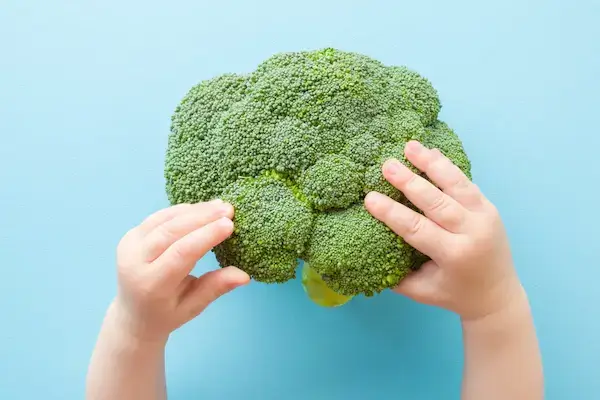
The touch and texture evaluation is an integral part of understanding if you are wondering how to know if broccoli is bad. This involves assessing the firmness of the florets and identifying any signs of wilting or sliminess.
Assessing The Firmness Of Florets
Fresh broccoli florets are characteristically firm and tightly closed. Becoming adept at identifying this can ensure you always pick and consume fresh, nutrient-rich broccoli, enhancing the quality of your meals.
Identifying Signs Of Wilting Or Sliminess
Wilting or sliminess on broccoli is a telltale sign of spoilage. Recognizing these signs helps us to avoid consuming spoiled food, thereby reinforcing the importance of tactile evaluations in ensuring our diet remains safe and healthy.
Considering Expiration Date And Storage
Knowing Purchase Or Harvest Date
An essential factor in maintaining the freshness of broccoli is being knowledgeable about its purchase or harvest date.
This information allows you to accurately track its freshness and make informed decisions regarding when to consume it for optimal taste and quality.
Checking “Best By” Or Expiration Date
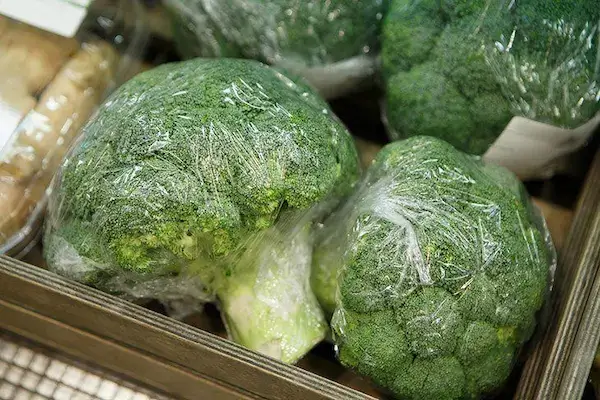
To ensure you enjoy the best quality broccoli, make it a habit to check the “best by” or expiration date on pre-packaged broccoli.
This simple step empowers you to select produce that is at its freshest, guaranteeing a delightful culinary experience.
Factoring In Storage Duration
Consider the duration of proper storage when preserving the freshness of broccoli. By following recommended storage practices, such as refrigeration, you can extend its shelf life and continue to savor its crisp texture and nutritional benefits for an extended period of time.
Practical Tips For Fresh Broccoli
Proper Storage For Extended Shelf Life
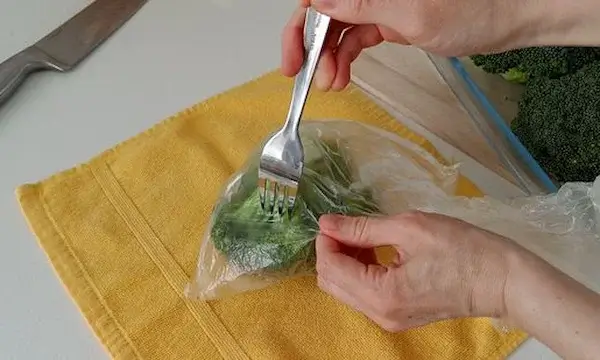
To maximize the shelf life of broccoli, store it properly in the refrigerator. Place the unwashed broccoli in a breathable plastic bag with small holes or gently drape it with a slightly dampened paper towel.
This helps maintain its moisture levels and keeps it fresh for a longer duration.
Preventing Spoilage And Maintaining Crispness
To prevent spoilage and maintain the crispness of broccoli, avoid washing it before storage. Excess dampness can hasten the deterioration of broccoli. Instead, wash the broccoli just before use. Additionally, Keep it separate from fruits that emit ethylene gas, such as apples or bananas, as they can hasten the spoilage process.
FAQs
1. Can You Eat Slightly Spoiled Broccoli?
It is not recommended to eat slightly spoiled broccoli. Consuming spoiled broccoli can lead to foodborne illnesses and discomfort. It is always best to err on the side of caution and discard any broccoli that shows signs of spoilage, such as discoloration, sliminess, or an off odor.
2. How Long Does It Take For Broccoli To Go Bad?
The time it takes for broccoli to go bad can vary depending on various factors, such as storage conditions and the initial quality and state of being fresh of the broccoli. However, on average, broccoli can start showing signs of spoilage within 5 to 7 days if not stored properly.
3. How Long Until Broccoli Goes Bad In The Fridge?
When stored correctly in the refrigerator, broccoli can stay fresh for about 7 to 10 days. It is crucial to store it in a bag with small punctures or loosely cover it with a slightly moist paper towel to maintain its moisture levels. Regularly check for any signs of spoilage and discard if necessary.
Conclusion
Knowing how to determine if broccoli is bad is essential for maintaining a fresh and healthy diet. By assessing its appearance, smell, and touch, and considering factors like expiration dates and proper storage, you can ensure that you’re consuming the freshest and most nutritious broccoli.
Remember, it’s better to be cautious and discard slightly spoiled broccoli to avoid any potential health risks.
With these practical tips and knowledge at your disposal, you can confidently select and enjoy deliciously crisp broccoli in your meals, contributing to a well-balanced and enjoyable culinary experience. Keep your broccoli fresh, and keep enjoying the goodness it brings to your plate!