
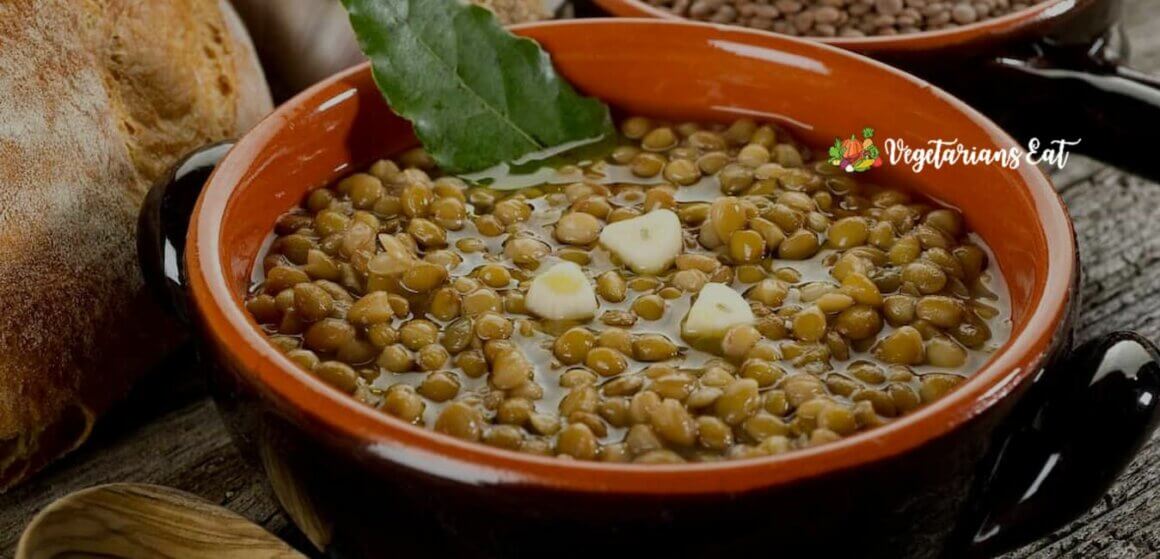
Ever found a bowl of forgotten lentils hiding in the corner of your refrigerator? Your thoughts instantly race to the question – “How long do cooked lentils last in fridge?” Well, let’s crack this culinary conundrum together!
With the right storage tips, your lentils can be more than just a one-meal wonder. Buckle up, as we embark on this food-saving adventure to ensure your leftover lentils never go to waste again! Your fridge and your taste buds are about to become the best of friends.
Guidelines For Storing Cooked Lentils


Storing your cooked lentils right is crucial to make them last longer. You need to focus on 3 things: proper containers, cooling, and the right fridge temperature.
Proper Storage Containers
Selecting the right storage container can make a world of difference. It’s best to choose airtight containers or tightly sealed plastic bags. These prevent air from spoiling your lentils and keep them fresh for longer.
Cooling Before Refrigerating
Before you pop those lentils into the fridge, let them cool down. Why so? It can bring up the overall fridge temperature and affect other food if you store hot food directly. Hence, always allow lentils to reach room temperature, but ensure it doesn’t sit out for more than 2 hours.
Maintaining Consistent Refrigeration Temperature
Lastly, keep your fridge at the right temperature. The golden number? Below 40°F (4°C). This temperature slows down the growth of harmful bacteria and extends your lentils’ life. Remember, consistency is key. Avoid frequent door openings to prevent temperature fluctuations.
Maximizing The Shelf Life Of Cooked Lentils


If you’ve ever thought, “How long do cooked lentils last in fridge?” You should know that the shelf life can be greatly extended with proper handling. Let’s dive into the details in 3 easy steps.
Inspecting For Signs Of Spoilage
First, make sure to inspect your lentils for signs of spoilage. Look for changes in color, a foul smell, or mold. It’s better to be safe and toss them if anything seems off.
Proper Handling And Hygiene Practices
Next up is hygiene. Always wash your hands before handling food. Keep your storage containers clean too. This helps prevent bacteria from entering the lentils, which can cause them to spoil quickly.
Avoiding Cross-Contamination
Lastly, avoid cross-contamination. This means not storing your lentils with raw or spoiled food. Keep them in a dedicated space in your fridge. Cross-contamination can not only spoil your lentils but can also pose a risk to your health.
Freezing Cooked Lentils For Longer Storage

Freezing is a fantastic way to stretch the life of your cooked lentils even further. From preparation to thawing, let’s go through 3 step-by-step processes.
Steps For Freezing Cooked Lentils
Start by letting your cooked lentils cool to room temperature. Once cool, portion them out into freezer-safe bags or containers. Seal them tightly to prevent freezer burn and lock in the freshness.
Labeling And Dating Frozen Lentils
An often overlooked but essential step is labeling. Use a permanent marker to write the date on your container. This way, you’ll know exactly when you froze them and can keep track of their quality over time. As a rule of thumb, frozen lentils can stay good for up to 6 months!
Thawing And Using Frozen Lentils
When you’re ready to use your lentils, thaw them safely. You can leave them in the fridge overnight or use the defrost function on your microwave. Once thawed, heat thoroughly before eating.
Remember, freezing doesn’t kill bacteria, it just puts them on pause. Therefore, proper heating is crucial.
Tips For Safe Consumption
To enjoy your cooked lentils safely and prevent foodborne illnesses, here are 3 key tips.
Trusting Your Senses
Before consuming stored lentils, trust your senses. It’s best to avoid eating them if you notice a change in color, smell an off-odor or see any mold. It’s always safer to discard any food that seems suspicious.
Discarding Spoiled Lentils
Make sure to discard them right away, if you’ve found that your lentils have spoiled. Consuming spoiled food can lead to food poisoning. Remember, when in doubt, throw it out!
Safe Reheating Practices
Reheating lentils properly is just as important as storing them. Always reheat lentils to at least 165°F (74°C), the temperature at which most harmful bacteria are killed. A quick stir in the middle of reheating ensures even heat distribution.
FAQs


1. What Are The Signs Of Spoiled Cooked Lentils?
Spoiled lentils often exhibit changes in color, a strange odor, or visible mold. Any of these signs suggest spoilage, and it’s safer to discard such lentils rather than risk consuming them.
2. Can Cooked Lentils Be Frozen?
Absolutely, cooked lentils can be frozen for longer storage. After cooling them to room temperature, store them in freezer-safe bags or containers, seal them tightly, and freeze them. Remember to label it with the date. They can last up to 6 months in the freezer.
3. What Is The Recommended Storage Container For Cooked Lentils?
Airtight containers or tightly sealed plastic bags are the best choices for storing cooked lentils. These containers prevent air exposure, which helps to keep the lentils fresh for a longer period.
Conclusion
We’ve journeyed together through the practical landscape of storing, freezing, and safely enjoying cooked lentils. By applying these easy-to-follow tips, you can extend the life of your delicious lentils, ensuring they stay fresh in the fridge for days and frozen for months.
Stay vigilant for signs of spoilage, uphold top-notch hygiene, and steer clear of cross-contamination. So here’s to a kitchen full of scrumptious, nutrient-dense lentil dishes.
By banishing food waste, you’ll open the door to a world where every bite is as enjoyable as the first. Ready to make the most of your lentils? Your food-saving adventure starts now!