Are you a fan of the creamy, savory goodness of spinach dip? Whether it’s the star of your party platter or a comforting snack, spinach dip never fails to delight. But how long does spinach dip last?
Spinach dip lasts fresh for about 3-4 days when stored properly in the refrigerator. To ensure maximum freshness, keep it in an airtight container and maintain a consistent, cool temperature. For the best taste and quality, it’s recommended to consume the dip within this timeframe.
Let’s dive into the world of this popular dip and uncover the secrets of its longevity.
Table of Contents
Factors Influencing Longevity Of Spinach Dip
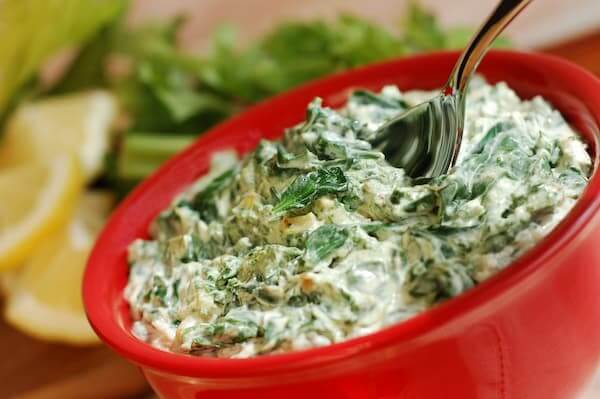
The shelf life of spinach dip depends on several key factors. Ingredients, storage, dairy content, etc. play an important role. Let’s explore them in detail:
Ingredients Used
The ingredients in spinach dip matter. Your dip won’t last as long if you use fresh spinach and fresh herbs. Fresh things spoil faster than others. The dip lasts longer if you add things like garlic powder or dried herbs.
Ingredients from a can or jar help the dip stay good for more days. So, the choice of ingredients is key in determining how long your spinach dip will stay fresh. Always think about what you put in it.
Storage Conditions
The best place to store the dip is in the fridge. The fridge should be cold all the time. This coldness stops bad germs from growing fast. Put the dip in a container that closes tight.
This keeps the cold in and the air out. The dip will be good to eat for more days if the dip stays cold and closed in the fridge. Always keep the dip cold to make it last longer.
Presence Of Dairy Products
Spinach dip often has dairy, like cheese or cream. Dairy goes bad quickly. You need to be careful with it. Your dip will not last very long if it has dairy.
Dairy needs to be kept cold all the time. Dip often spoils if the dairy gets warm. So, when your dip has dairy, it may spoil faster than dips without dairy. So, you should eat it sooner and keep it cold always.
Frequency Of Temperature Changes
The temperature around your spinach dip should not change a lot. When it gets warm, then cold, warm again, it’s not good. This happens when you take the dip out of the fridge many times.
Each time it warms up, bad germs grow faster. This makes the dip go bad quickly. To keep it fresh longer, try to keep it cold and don’t let it get warm too often.
Exposure To Air And Contaminants
When air touches your spinach dip, it starts to go bad. Air has tiny things that often spoil the dip. Also, dirty spoons or fingers bring germs if they touch the dip. These germs make the dip not safe to eat.
Always cover your dip when you’re not eating it. Use a clean spoon every time you take some dip. This helps keep the dip fresh and safe to eat for a longer time. So, keep your dip covered and use clean things to scoop it.
How Long Can Fresh Spinach Dip Last
Fresh spinach dip’s shelf life depends on how it’s stored and cared for. Keeping it cold, avoiding temperature changes, and using clean containers are key. Spotting when it’s not fresh anymore is also important.
Refrigeration Duration
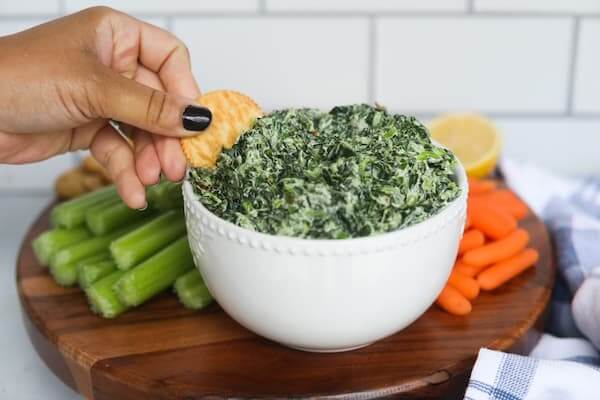
When you keep spinach dip in the fridge, it stays good for about 3 to 4 days. The fridge should be cold, around 40°F (4°C). This coldness slows down the growth of bad germs.
The dip spoils faster if your fridge isn’t cold enough. Always check your fridge temperature to make sure it’s right.
Impact Of Temperature Fluctuations
Temperature changes affect how long spinach dip lasts. The dip won’t stay good for long if it goes from cold to warm often. This happens if you keep it out of the fridge for a while and put it back.
Each time it warms up, bacteria grow faster. This makes the dip go bad quickly. It’s best to take out only what you need and keep the rest cold. Avoid leaving the dip out at room temperature for too long.
Signs Of Freshness Loss
Knowing when your spinach dip goes bad is crucial. First, look at its color. When the color changes, it will be going bad. Next, smell the dip. Fresh dip smells good but if it smells sour or off, it goes bad.
Check for mold. throw the dip away if you see any mold. Mold means it’s spoiled. You will also notice a change in texture. It’s not a good sign at all if it gets watery or too thick.
Importance Of Airtight Containers
An airtight container keeps air out. Air has bacteria that spoil the dip. When the dip is in a container that seals tightly, it stays fresh longer.
This kind of container also keeps out other smells from the fridge. You don’t want your dip to smell like other foods. Make sure the lid is closed well every time. Even a small opening lets in air and bacteria.
Avoiding Cross-Contamination Risks
Avoiding cross-contamination is key to keeping spinach dip fresh. Cross-contamination happens when germs from one thing get onto your dip. This happens if you use a spoon for something else and then for your dip.
Always use a clean spoon for the dip. Also, don’t let other foods touch the dip. For example, don’t dip vegetables directly into the container.
It’s also a good idea to serve a little dip in a separate bowl. This way, the main container stays clean.
Extend Spinach Dip Life Techniques
There are ways to make your spinach dip last longer. Let’s talk about how to keep your dip fresh for as long as possible.
Proper Refrigeration Practices

Proper refrigeration is the first step. Keep your dip in the fridge all the time. Make sure the fridge is at a cold, steady temperature.
Each time you use the dip, put it back in the fridge right away. Don’t leave it out at room temperature for a long time.
Freezing Spinach Dip
Freezing spinach dip makes it last longer than just refrigerating. When you freeze it, it stays good for up to a few months. But remember, freezing will change its texture.
Put the dip in a freezer-safe container. Make sure the container is closed tight. When you want to eat it, let it thaw in the fridge. Don’t thaw it at room temperature, as this causes bacteria to grow.
Adding Preservatives Naturally
Adding natural preservatives to spinach dip helps it last longer. Natural preservatives like lemon juice or vinegar often slow down bacteria growth. These ingredients are acidic, and bacteria don’t grow well in acidic environments.
When you make your dip, add a little bit of lemon juice or vinegar. This won’t change the taste much, but it makes the dip stay fresh longer.
Using Vacuum-Sealed Containers
Using vacuum-sealed containers is a great way to extend the life of your spinach dip. These containers suck out all the air. This means fewer bacteria spoil the dip.
Bacteria need air to grow, so removing the air keeps the dip fresh longer. It’s a good investment to buy vacuum-sealed containers.
Minimizing Air Exposure During Storage
Minimizing air exposure is crucial for keeping spinach dip fresh. Air carries bacteria and other germs that spoil food. When you store your dip, make sure the container is closed very tight.
This keeps as much air out as possible. The less air that gets in, the slower the dip will spoil. Every time you open the container, close it back tightly.
Signs Of Spoilage
It’s important to know when your spinach dip has gone bad. Look for changes in color, smell, and taste.
Changes In Color And Texture
A fresh dip usually looks creamy and has a bright green color because of the spinach. When you see the color is not green anymore, or if the dip looks dry or separated, it could be spoiled.
Sometimes, the dip turns a yellowish or brownish color. This is not a good sign. Also, check the texture. It is a warning If it’s not smooth like before, but lumpy or watery.
Unpleasant Odor Development
The smell of your spinach dip is a key indicator of its freshness. A fresh dip has a pleasant and mild smell. If it starts to smell bad, this is a sign it may have gone off.
Trust your nose – if the odor is sour, strong, or just not right, it’s likely not safe to eat. Sometimes, it might not look spoiled but still smells bad.
Growth Of Mold Or Bacteria

Seeing mold or bacteria growth is a clear sign that spinach dip is spoiled. The mold looks like fuzzy spots. They are green, black, white, or even pink.
When you see any spots or fuzzy growth, it’s mold. Bacteria growth is not always visible like mold. But bacteria create slimy or sticky patches in the dip. Don’t taste the dip if you see these signs.
Sour Or Off-Putting Taste
The taste of your spinach dip also tells you if it’s gone bad. A fresh dip tastes good and has a pleasant flavor. When it tastes sour, bitter, or just not right, probably it is spoiled.
Even the taste is often still off if the dip looks and smells okay. It’s best to taste just a tiny bit if you’re unsure. Don’t eat more if it doesn’t taste like it usually does.
Importance Of Visual Inspection
Doing a visual inspection of your spinach dip is very important. Before you eat it, always look at it closely. Check for any changes in color or signs of mold. Look for any unusual things in the dip.
Be careful if it looks different from when you made it, be careful. Even small changes mean it’s not good anymore.
Spinach Dip Storing Tips
Storing your spinach dip right makes it last longer and stay safe to eat. Let’s look at some easy tips for keeping your dip fresh.
Refrigeration Best Practices
Keeping your dip in the fridge is the best way to store it. Put it in the fridge as soon as you’re done using it. Make sure your fridge is cold enough, around 40°F (4°C).
This cold temperature stops germs from growing. Make sure your fridge is cold enough and return the dip to the fridge promptly after use.
Freezing And Thawing Guidelines
Freezing and thawing spinach dip is another way to extend its shelf life. Use a container that’s safe for the freezer. When you want to eat it later, don’t thaw it at room temperature, as this allows bacteria to grow.
Instead, place it in the fridge to thaw slowly. While freezing changes the texture, it’s useful to keep the dip for a longer period. Use freezer-safe containers and thaw it in the fridge when you’re ready to enjoy it again.
Airtight Container Recommendations
Using airtight containers is a smart choice for storing spinach dip. These containers seal tightly, keeping air and germs out. When your dip is stored in an airtight container, it remains fresh for longer periods.
This not only helps maintain its taste but also ensures it stays safe to eat. Investing in airtight containers is a simple yet effective way to keep your spinach dip in top shape.
Avoiding Temperature Fluctuations
Consistency in temperature is important when storing spinach dip. Avoid letting the dip go through frequent temperature changes, such as going from cold to warm and back again. Such fluctuations lead to faster bacterial growth and spoil the dip.
Keep the dip at a steady, cold temperature, ideally in the fridge. This practice helps maintain the dip’s freshness for a longer time, minimizing the risk of it going bad.
Discarding If Unsure About Freshness
When in doubt about the freshness of your spinach dip, it’s best to err on the side of caution and discard it.
It’s safer not to consume it if you’re unsure about freshness. Trusting your instincts and prioritizing your health is crucial.
FAQs
1. Can Spinach Dip Be Reheated?

Yes, you can reheat spinach dip, but it’s important to do it safely. Heat it in the microwave or oven until it’s hot all the way through, and make sure it reaches a temperature of 165°F (74°C) to kill any bacteria.
2. Is Frozen Spinach Dip Safe?
Frozen spinach dip is safe to eat as long as it’s been stored properly in the freezer. When you want to enjoy it, thaw it in the fridge, not at room temperature, to avoid bacterial growth.
3. Can Mayo-Based Dips Last Longer?
Mayo-based dips can last longer than dairy-based ones because mayonnaise acts as a preservative. However, it’s still important to follow proper storage and refrigeration practices to ensure their freshness.
4. What To Do If Spinach Dip Smells Off?
When your spinach dip smells off, it’s best to play it safe and not eat it. Unusual or sour smells are a sign of spoilage, and consuming spoiled food is harmful to your health. Trust your senses and discard the dip if it doesn’t smell right.
Conclusion
In conclusion, understanding the lifespan of your spinach dip is crucial for enjoying its flavors. By following the simple guidelines discussed in the article, you’ll be able to savor your spinach dip for the optimal duration while keeping it fresh.
So, next time you whip up a batch of spinach dip for your gathering or just for yourself, rest assured that you know how to keep it at its best. Here’s to enjoying your spinach dip to the fullest!